
.png)
Temporary Support Systems for Safe Building Projects
In construction, safety is a paramount concern. Every project comes with inherent risks, and one of the most critical aspects of managing those risks is the use of scaffolding support systems. These structures not only ensure the safety of workers but also provide a stable platform for building activities. In this post, we will explore various types of scaffolding support systems and their role in temporary support systems for construction projects.
Scaffolding Support Systems
Scaffolding support systems are essential in construction, especially for high-rise buildings and complex architectural designs. They provide support for workers and materials during the construction or renovation processes. There are various types of scaffolding systems, each with its own unique features and uses.
Types of Scaffolding Support Systems
Frame Scaffolding
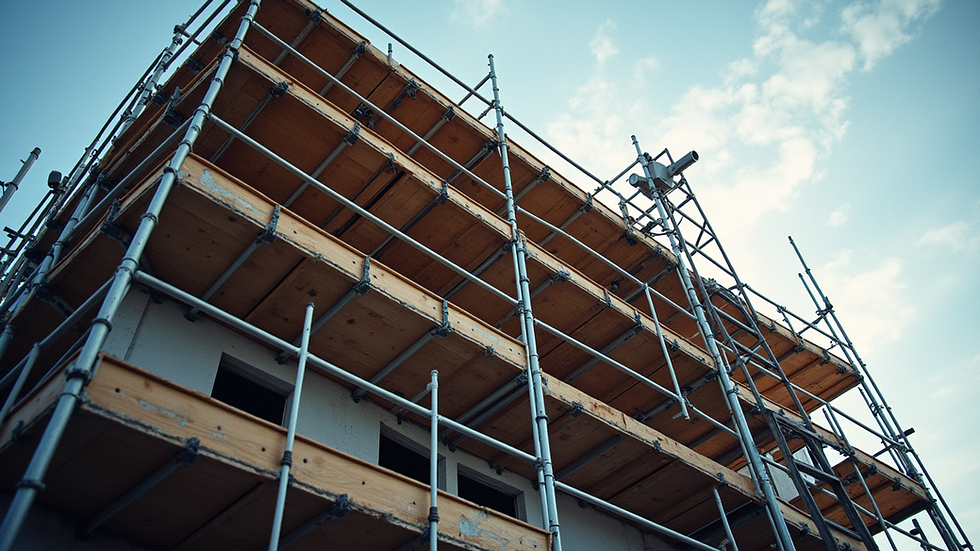
Frame scaffolding is one of the most common types used in construction. It consists of a set of frames and cross braces that create a stable structure. This type is easy to set up and take down, making it ideal for projects that require quick installations.

High angle view of sturdy frame scaffolding in a construction site Suspended Scaffolding
Suspended scaffolding is often used for high-rise buildings or works that require access from above, such as window cleaning or facade repairs. This type of scaffolding hangs from the structure above, allowing workers to easily reach different levels.

Eye-level view of suspended scaffolding on a high-rise building Cantilever Scaffolding
Cantilever scaffolding is used when it is impractical to support scaffolding from the ground. This type of scaffolding is supported on one end, allowing for access to areas that are otherwise hard to reach.
Importance of Safe Building Practices
The importance of scaffolding support systems in construction cannot be overstated. According to the Occupational Safety and Health Administration (OSHA), falls from heights are one of the leading causes of fatalities in the construction industry. Scaffolding, when properly installed and maintained, can significantly reduce the risk of these accidents.
Moreover, scaffolding support systems contribute to efficiency in building projects. With a safe platform to work on, workers can perform their tasks more effectively, leading to faster project completion times. Proper scaffolding can enhance productivity, making it not just a safety measure but also a smart investment.
Risks and Challenges
Despite their benefits, scaffolding support systems come with risks and challenges. One of the most significant issues is the potential for structural failure if they are not properly designed or maintained. To prevent accidents, regular inspections and maintenance are crucial.
Additionally, workers must receive proper training on the use of scaffolding. According to industry statistics, about 2.2 million construction workers are exposed to fall hazards, making it critical for employers to provide education and resources for safe practices.
Choosing the Right Scaffolding Support System
When selecting the appropriate scaffolding system for a project, several factors should be considered:
Height of the Structure: For taller buildings, suspended scaffolding may be the best option, while frame scaffolding may be sufficient for shorter projects.
Type of Work: The nature of the construction work being performed will dictate the type of scaffolding needed. For instance, painting may require different systems than masonry work.
Site Conditions: Assessing the ground condition and the proximity of the surrounding structures is essential. Some scaffolding options will not be feasible in urban environments or uneven terrain.
Best Practices for Using Scaffolding Support Systems
To maximize the safety and effectiveness of scaffolding systems, here are some best practices to follow:
Regular Inspections: Conduct routine checks on the scaffolding components for wear and tear. Replace any damaged parts immediately.
Proper Training: Ensure that all workers are trained on the specific scaffolding being used, as well as general safety practices.
Load Limits: Adhere to the manufacturer's specifications regarding load limits and capacities to prevent overloading.
Personal Protective Equipment (PPE): Require all workers to use appropriate PPE, including helmets, harnesses, and non-slip footwear, especially when working at heights.
Legal and Regulatory Considerations
Compliance with local, state, and federal regulations is essential in the use of scaffolding support systems. Organizations like OSHA have specific guidelines that must be followed to ensure worker safety on job sites. Failing to adhere to these regulations can lead to severe penalties and, more importantly, increase the risk of accidents.
Building contractors should familiarize themselves with these regulations and ensure that all relevant permits are obtained before commencing work. Regular consultations with safety professionals can also help to maintain compliance and promote a safe working environment.
Case Studies: Success with Scaffolding Support Systems
High-Rise Building Renovation: A major renovation project on a skyscraper in downtown Chicago utilized suspended scaffolding to allow workers safe access to all levels. This approach not only ensured worker safety but also sped up the renovation process by 30 percent.
Historical Building Restoration: The restoration of a historical building in Boston required a specialized cantilever scaffolding system to preserve the integrity of the original structure while providing worker access. The project was completed on time, with no safety incidents recorded.
Final Thoughts on Scaffolding Support Systems
Choosing the right scaffolding support system is vital to the success and safety of any construction project. By understanding the different types available, their applications, and the best practices for their use, contractors and workers can minimize risks and ensure a safe working environment.
Investing in high-quality scaffolding and adhering to safety regulations not only protects your workers but can also result in cost savings and improved project timelines. For more information on temporary support systems and best practices, consider consulting with experts in scaffolding solutions.



Comments